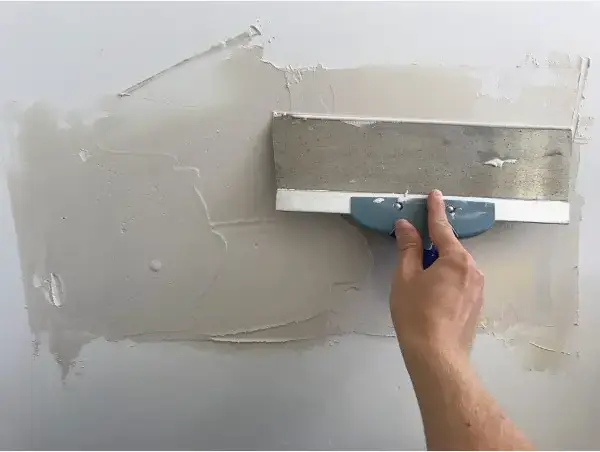
If your walls have cracks, holes, dents, water stains, or other visible damage, painting over them may not give you the smooth, clean result you expect. Repairing drywall before painting helps create an even surface and allows the new paint to look better.
For homeowners planning an interior update, understanding when drywall needs attention before painting can help avoid visible imperfections and unnecessary repainting. PMPD Drywall provides drywall repair, installation, finishing, and painting services to help prepare walls for a fresh new look.
Why Should You Repair Drywall Before Painting?
Paint does not hide every drywall problem. In many cases, a fresh coat of paint can actually make imperfections more noticeable, especially when light hits the wall from an angle.
Repairing damaged areas first can help:
- Create a smoother surface for paint
- Improve the overall appearance of the walls
- Prevent cracks and holes from remaining visible
- Provide better paint coverage
- Address underlying drywall damage before it is covered
- Give the finished wall a more consistent appearance
Proper preparation is an important part of any successful painting project.
What Types of Drywall Damage Should Be Repaired Before Painting?
Not every wall needs major repairs before painting. However, visible or structural problems should be evaluated before applying new paint.
Cracks in Drywall
Small cracks can develop around joints, corners, doors, windows, or other areas of a home. Some may be minor, while larger or recurring cracks may indicate an issue that requires further inspection.
Repairing appropriate cracks before painting helps prevent them from showing through the new finish.
Holes and Dents
Holes from wall anchors, nails, furniture, or accidental impact can remain visible after painting. Larger holes may require a patch or replacement section of drywall.
The damaged area should be repaired and finished properly before primer and paint are applied.
Water-Damaged Drywall
Water stains, soft drywall, bubbling, or discoloration can indicate moisture damage. Painting over water-damaged drywall does not solve the underlying problem.
The source of the moisture should be addressed first. Depending on the condition of the material, the affected drywall may need to be repaired or replaced before painting.
Nail Pops
Nail pops appear as small bumps or raised spots on the wall surface. They can become more noticeable after painting.
A proper repair can smooth the area and prepare it for a more consistent finish.
Damaged Drywall Texture
If part of a wall has a damaged or missing texture, simply applying paint may make the difference more noticeable. The texture may need to be repaired or matched before painting.
Can You Paint Over Minor Drywall Damage?
It depends on the type and severity of the damage.
Small surface imperfections may be easy to repair before painting. However, cracks, holes, water damage, or larger damaged areas should be properly evaluated instead of simply covering them with paint.
A good approach is to inspect the wall first and determine whether the surface needs patching, sanding, finishing, or drywall replacement.
What Happens If You Paint Over Damaged Drywall?
Painting over damaged drywall can lead to several problems. Existing cracks, dents, holes, and uneven areas may remain visible beneath the new paint.
In some cases, paint can also draw attention to imperfections because changes in the wall surface become more noticeable under certain lighting.
More importantly, painting over water-damaged drywall without addressing the moisture problem can leave the underlying issue unresolved.
For these reasons, drywall repair before painting is usually the better approach when the wall has noticeable damage.
How Is Drywall Prepared Before Painting?
Proper preparation can make a significant difference in the final appearance of painted walls.
1. Inspect the Wall
The first step is identifying cracks, holes, dents, stains, texture problems, and other imperfections.
2. Repair Damaged Areas
Depending on the condition, repairs may involve patching holes, repairing cracks, replacing damaged sections, or addressing other drywall problems.
3. Apply Joint Compound or Finishing Material
Repaired areas may require joint compound or another appropriate finishing material to create a smooth transition between the repair and the surrounding wall.
4. Sand the Surface
Once the repair material has properly dried, the area can be sanded to create a smoother surface.
5. Prime the Repaired Areas
Primer can help prepare repaired surfaces for paint and promote more consistent coverage.
6. Paint the Wall
Once the surface is properly prepared, the wall can be painted with the selected interior paint.
Should You Repair or Replace Damaged Drywall?
The right option depends on the extent and condition of the damage.
Repair may be suitable when:
- The damage is relatively small
- The drywall remains structurally sound
- There are isolated holes or dents
- Minor cracks can be properly addressed
- Only a small section has been affected
Replacement may be considered when:
- A large section has significant damage
- The drywall has been heavily affected by water
- The material is soft, deteriorated, or compromised
- Damage is widespread
- The existing drywall cannot be properly restored through a simple repair
An inspection can help determine which approach makes sense for the wall.
Is Drywall Repair Necessary Before Every Painting Project?
No. If your walls are already smooth, clean, and free from significant damage, extensive drywall repair may not be necessary.
However, walls should still be inspected and prepared before painting. Even small dents, nail holes, cracks, or uneven areas can affect the finished appearance.
The amount of preparation needed depends on the existing condition of the walls and the type of finish you want.
Why Professional Drywall Repair Can Help
Drywall repairs may look simple, but getting a smooth transition between the repaired area and the existing wall can take careful preparation.
Professional drywall services can help with:
- Identifying areas that need repair
- Patching holes and dents
- Repairing appropriate cracks
- Replacing damaged drywall
- Smoothing repaired surfaces
- Matching existing textures where possible
- Preparing walls for primer and paint
This can be especially useful when several areas throughout the home need attention before painting.
How PMPD Drywall Can Help
If your walls need attention before a painting project, PMPD Drywall can help with drywall repair and preparation. From small wall damage to larger drywall projects, the goal is to properly prepare the surface before the final finish is applied.
PMPD Drywall also provides drywall installation, drywall finishing, painting, flooring, and remodeling services, making it possible to coordinate multiple parts of a home improvement project with one contractor.
Frequently Asked Questions
Should drywall always be repaired before painting?
Not necessarily. If the drywall is already smooth and in good condition, extensive repairs may not be needed. However, visible cracks, holes, dents, stains, and other imperfections should generally be addressed before painting.
Can paint cover drywall cracks?
Paint may cover very minor surface imperfections temporarily, but it does not properly repair drywall cracks. The cause and condition of the crack should be evaluated, and appropriate repairs should be completed before painting.
Should water-damaged drywall be painted?
Water-damaged drywall should not simply be painted over. The moisture source needs to be addressed first, and the affected material should be evaluated to determine whether repair or replacement is appropriate.
Do you need to sand drywall before painting?
Repaired areas generally need to be properly smoothed before painting. Sanding can help create a more even transition between the repaired area and the surrounding wall.
Can you paint directly over drywall?
New drywall generally needs proper preparation before painting, including finishing, smoothing, and priming. Painting directly over unfinished drywall can result in an uneven appearance and inconsistent paint absorption.
How do you know if drywall needs to be replaced?
Extensive water damage, soft or deteriorated material, large damaged sections, or widespread problems may indicate that replacement is more appropriate than a simple repair. A professional evaluation can help determine the best option.
Final Thoughts
Yes, drywall should generally be repaired before painting when the walls have visible damage. Cracks, holes, dents, water damage, and uneven textures can affect the appearance of a new paint job and may become more noticeable after painting.
Taking care of drywall problems first creates a better surface for primer and paint. If you’re planning to update your walls, PMPD Drywall can help with drywall repair, installation, finishing, and painting to prepare your home for the next step.