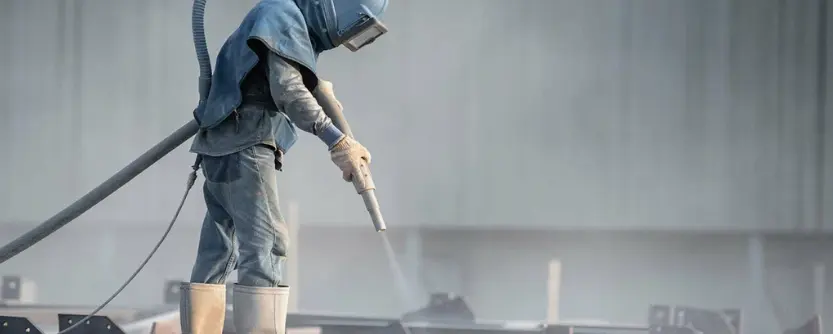
A fresh coat of exterior paint can completely transform the appearance of your home while protecting it from the elements. However, even the highest-quality paint won’t last if it’s applied over a dirty, damaged, or poorly prepared surface. Proper surface preparation is one of the most important steps in any exterior painting project and has a direct impact on the durability, appearance, and longevity of the finished result.
At PMPD Drywall, we believe that successful exterior painting starts long before the first coat of paint is applied. In this guide, we’ll explain why surface preparation matters, what’s involved in the process, and how professional preparation helps protect your investment.
Why Surface Preparation Is So Important
Exterior surfaces are constantly exposed to sunlight, rain, snow, wind, dust, and changing temperatures. Over time, these conditions cause dirt buildup, peeling paint, mildew, and small areas of damage.
Painting over these problems can lead to:
- Peeling paint
- Bubbling or blistering
- Poor paint adhesion
- Uneven finishes
- Moisture damage
- Shortened paint lifespan
Preparing the surface properly allows the new paint to bond securely, resulting in a smoother finish and longer-lasting protection.
Removes Dirt and Contaminants
Exterior walls collect years of dirt, pollen, grease, mold, and mildew.
Before painting begins, these contaminants should be removed through professional cleaning, often using pressure washing or appropriate cleaning solutions. A clean surface allows primer and paint to adhere properly instead of bonding to dust or debris.
Skipping this step can cause paint to peel or wear prematurely.
Identifies Hidden Damage
Surface preparation is also an opportunity to inspect your home’s exterior for problems that may not be immediately visible.
Common issues include:
- Wood rot
- Cracked siding
- Loose trim
- Water damage
- Nail pops
- Small holes
- Caulking failure
Repairing these problems before painting prevents them from becoming larger and more expensive in the future.
Removes Loose and Peeling Paint
Old paint that is chipped, flaking, or peeling must be removed before new paint is applied.
Professional painters use techniques such as:
- Scraping
- Sanding
- Wire brushing
These methods create a smooth, stable surface that allows the new paint to bond properly.
Painting over loose paint only hides the problem temporarily, and the new coating will often begin peeling shortly afterward.
Repairs Surface Imperfections
Exterior walls naturally develop minor imperfections over time.
These may include:
- Small cracks
- Nail holes
- Dents
- Damaged trim
- Surface gaps
Repairing these flaws before painting creates a cleaner, more professional appearance while improving the durability of the finished project.
Protects Against Moisture Damage
Moisture is one of the biggest threats to exterior paint.
Proper preparation includes sealing cracks, replacing damaged caulking, and repairing areas where water may enter the structure.
This helps protect your home from:
- Mold growth
- Wood rot
- Water intrusion
- Premature paint failure
Keeping moisture out extends both the life of the paint and the materials beneath it.
Creates a Smooth, Even Finish
One of the most noticeable benefits of proper preparation is the final appearance.
Cleaning, sanding, and repairing surfaces help eliminate bumps, rough spots, and uneven textures.
The result is:
- Better color consistency
- Cleaner paint lines
- Smoother finishes
- More professional appearance
Well-prepared surfaces allow the paint to showcase its true color and finish.
Improves Paint Adhesion
Paint performs best when it has a clean, solid surface to bond with.
Proper preparation helps:
- Increase paint adhesion
- Reduce peeling
- Minimize cracking
- Improve weather resistance
- Extend paint life
This means fewer touch-ups and less maintenance over the years.
The Role of Primer
Primer is an essential part of many exterior painting projects.
It helps:
- Seal porous surfaces
- Cover repairs
- Improve paint adhesion
- Create uniform color
- Increase paint durability
Professional painters determine whether primer is necessary based on the condition and type of your home’s exterior.
Common Surfaces That Require Preparation
Nearly every exterior material benefits from proper preparation before painting, including:
- Wood siding
- Fiber cement siding
- Stucco
- Brick
- Trim
- Fascia boards
- Doors
- Window frames
Each material requires different preparation methods to achieve the best results.
What Happens During Professional Surface Preparation?
Every project is unique, but professional surface preparation often includes:
- Inspecting the exterior.
- Cleaning the surface.
- Removing loose paint.
- Sanding rough areas.
- Repairing damaged materials.
- Filling cracks and holes.
- Replacing damaged caulking.
- Applying primer where needed.
- Protecting landscaping and surrounding areas before painting begins.
Taking these steps creates the ideal foundation for a durable, attractive paint job.
Benefits of Hiring Professionals
While some homeowners consider handling exterior painting themselves, proper preparation requires experience, specialized tools, and attention to detail.
Professional painters provide:
- Thorough inspections
- Proper repair techniques
- High-quality preparation
- Safe equipment use
- Efficient project completion
- Long-lasting results
Hiring experienced professionals helps reduce the risk of premature paint failure and costly future repairs.
Why Homeowners Choose PMPD Drywall
At PMPD Drywall, we understand that lasting exterior paint starts with careful preparation. Our team takes the time to inspect every surface, repair minor damage, clean thoroughly, and prepare your home’s exterior before applying premium-quality paint.
We focus on craftsmanship, attention to detail, and reliable service to deliver results that not only enhance your home’s appearance but also provide long-term protection against the elements.
Whether you’re refreshing your home’s exterior or completing a larger remodeling project, we’re committed to delivering quality work from start to finish.
Conclusion
Exterior painting is about more than choosing the right color. The success of the project depends on the condition of the surface underneath the paint.
Proper surface preparation removes dirt, repairs damage, improves paint adhesion, and helps your new paint withstand years of weather exposure. Investing time in preparation leads to a smoother finish, better protection, and longer-lasting results.
If you’re planning to paint your home’s exterior, working with experienced professionals ensures every step—from preparation to the final coat—is completed with care and precision.
Frequently Asked Questions
Why is surface preparation important before exterior painting?
Surface preparation removes dirt, loose paint, and damage that can prevent paint from adhering properly. It helps create a smoother finish and extends the life of the paint.
What happens if you paint without preparing the surface?
Skipping preparation can lead to peeling, bubbling, cracking, uneven coverage, and premature paint failure, often requiring repainting much sooner.
Does pressure washing help before painting?
Yes. Pressure washing removes dirt, mildew, mold, and debris, providing a clean surface for primer and paint to bond effectively.
Is primer always necessary?
Not always. Primer is often recommended for bare wood, repaired areas, stained surfaces, or when making significant color changes. A professional painter can determine when primer is needed.
How long does exterior surface preparation take?
Preparation time depends on the size of the home and the condition of the exterior. Homes with peeling paint or damaged siding generally require more preparation before painting begins.