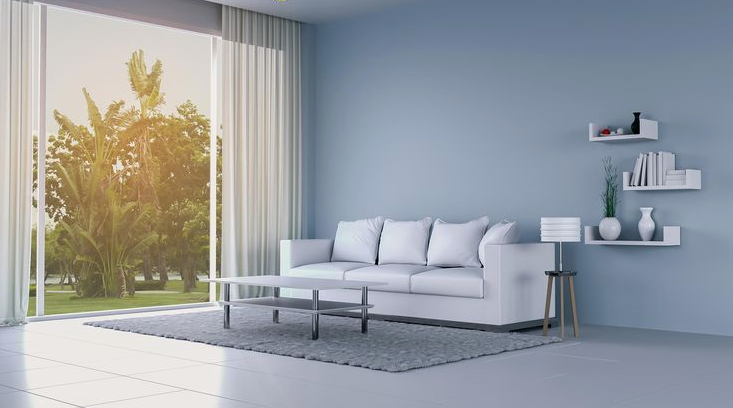
Painting the interior of your home is one of the most effective ways to refresh your space without a major renovation. A new coat of paint can completely change the mood of a room, making it feel brighter, cleaner, larger, and more modern. While it may seem like a simple DIY task, achieving a truly professional finish requires the right preparation, technique, and attention to detail.
Many homeowners rush into painting and end up with uneven walls, visible roller marks, peeling paint, or rough patches. The difference between an amateur job and a professional-looking finish usually comes down to method, not effort.
In this guide, you’ll learn practical indoor painting tips and proven techniques used by professionals to achieve smooth, long-lasting results.
For proper wall preparation, smooth finishing, and expert drywall support before painting, PMPD Drywall helps ensure your surfaces are fully ready for a flawless paint application.
Start With Proper Surface Preparation
Preparation is the most important stage of any interior painting project. Paint will only look as good as the surface underneath it, so skipping preparation almost always leads to poor results.
Walls should first be cleaned to remove dust, grease, fingerprints, and stains. Kitchen and high-traffic areas especially tend to collect residue that can prevent paint from bonding properly. Any holes, dents, or cracks should be filled and sanded until the surface feels smooth.
If the wall has glossy or old peeling paint, it should be lightly sanded or treated so the new paint can properly adhere. A clean, smooth surface ensures the paint spreads evenly and lasts longer without peeling or bubbling.
Always Use Primer When Needed
Primer is often overlooked, but it plays a major role in achieving a professional finish. It helps seal the surface, blocks stains, and ensures consistent color across the wall.
New drywall, patched areas, or surfaces with strong color changes always need primer. Without it, you may notice uneven patches or “flashing,” where repaired areas appear dull compared to the surrounding paint.
A properly primed wall creates a uniform base that improves both appearance and durability.
Choose the Right Tools for Better Results
Using high-quality tools makes a noticeable difference in finish quality. Cheap rollers or brushes often leave streaks, lint, or uneven texture on walls.
Professional painters typically use smooth rollers for flat walls, angled brushes for corners, and painter’s tape for clean edges. The roller nap should also match the wall texture smooth walls require a short nap, while slightly textured walls need a thicker one.
Good tools not only improve results but also make the painting process faster and less frustrating.
Maintain a Wet Edge While Painting
One of the most common painting mistakes is allowing sections to dry before overlapping them. This creates visible lap marks or streaks that are hard to fix once the paint dries.
To avoid this, always maintain a “wet edge.” This means working in sections and overlapping freshly applied paint before it starts to dry. Start from one side of the wall and move steadily across without long pauses.
This technique helps the paint blend smoothly and keeps the finish consistent across the entire surface.
Apply Paint in Thin, Even Layers
Many people try to finish quickly by applying thick coats of paint, but this often leads to drips, uneven drying, and visible brush or roller marks.
Instead, apply thin and even coats. It is better to apply two or three light layers than one heavy coat. Thin coats dry more evenly, adhere better, and produce a smoother finish.
Allow each coat to fully dry before applying the next one to avoid streaking or texture issues.
Use Proper Cutting-In Technique
Cutting-in is the process of painting edges, corners, and areas near ceilings or trim where rollers cannot reach. This step is essential for a clean and professional appearance.
Using a steady hand and an angled brush, carefully paint along edges before using a roller on the main wall. Once the edges are done, blend them into the rest of the wall while the paint is still wet.
This technique helps avoid visible lines between brushed and rolled areas.
Roll Paint Evenly for Consistent Texture
When using a roller, consistency is key. Uneven pressure can cause streaks or patchy coverage. A good technique is to roll in overlapping strokes and maintain steady pressure throughout the wall.
Professional painters often work in sections and blend each area while the paint is still wet to ensure uniform texture. Avoid pressing too hard on the roller, as this can leave lines or remove too much paint.
Pay Attention to Drying Time Between Coats
Rushing between coats can ruin an otherwise perfect paint job. Each layer needs time to dry properly before the next one is applied.
For most interior paints, a few hours of drying time is required, but humidity, temperature, and paint type can affect this. Always check the paint manufacturer’s instructions for best results.
Proper drying time ensures stronger adhesion and a smoother finish.
Protect Your Space Before Painting
Before starting, it’s important to protect floors, furniture, and fixtures. Even experienced painters can accidentally create splashes or drips.
Using drop cloths and painter’s tape helps prevent damage and reduces cleanup time. Taking a few extra minutes to protect your space can save hours of repairs later.
Don’t Ignore Wall Quality Before Painting
Even the best paint cannot hide poor wall conditions. Uneven drywall, cracks, or poorly finished joints will always show through after painting.
That’s why proper drywall finishing is essential before any painting project. Smooth, well-prepared walls create the foundation for a professional-grade finish.
Final Thoughts
Indoor painting is more than just applying color; it’s a process that requires preparation, technique, and patience. From cleaning and priming to proper rolling and finishing, every step contributes to the final result.
By following these indoor painting tips and techniques, you can achieve smooth, professional-looking walls that transform your home’s interior.
For homeowners who want perfectly prepared walls before painting, PMPD Drywall provides expert drywall finishing and repair services that ensure your paint job starts with a flawless surface.